
Review · KYOTO HONEYMOON EXPERIENCES
Kyoto: Enjoy Sushi & Market Tour! Best for Family & Couple!
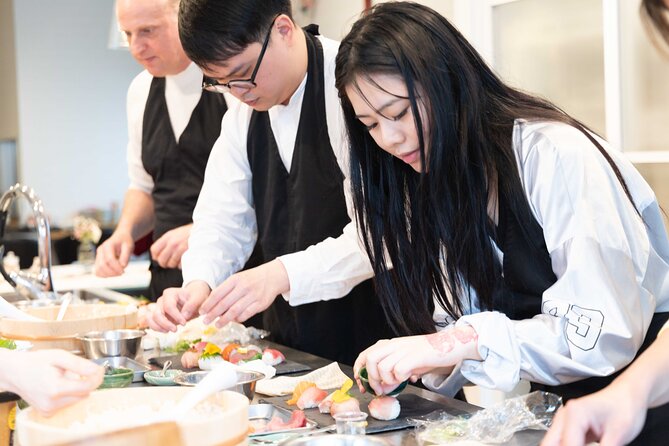
Kyoto is a fine place to eat sushi, but making it yourself gives you a better sense of how the meal comes together. In this 90-minute cooking class, you prepare nigiri, temari, and temaki sushi, then sit down for dessert and coffee. The fish is bought that morning, so the lesson starts with ingredients rather than shortcuts.
I like two things in particular: the class is small, with no more than 10 people, and it includes useful home-cooking skills such as vinegar rice, dashi, miso soup, and tamagoyaki. The clean kitchen and take-home materials are also practical bonuses, especially if you want to repeat the meal after Japan.
The main consideration is timing. An hour and a half is not long for sushi, soup, omelet, tasting, dessert, and conversation. You should expect a compact introduction rather than a slow, highly detailed culinary course. The meeting point is also described as a location in central Kyoto, not as a separate guided walk through a market.
Key points to know before booking
- Fresh fish bought that morning: The class uses fish purchased on the day of your experience.
- Three sushi styles: You learn nigiri, temari, and temaki, giving you different shapes and serving ideas.
- Small group size: The maximum is 10 people, which suits families and couples better than a large demonstration.
- More than sushi: Dashi, miso soup, tamagoyaki, traditional soy sauce, and Kyoto-style condiments are part of the lesson.
- Dessert and coffee included: Handmade Kyoto-style dessert follows the meal, with take-away available.
- Vegetarian menus are possible: Tell the provider in advance if you need different ingredients.
Making sushi with fish bought that morning
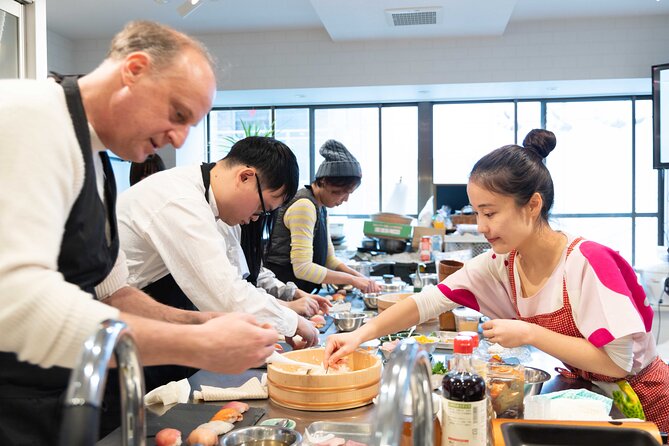
The strongest part of this experience is its hands-on focus. You are not simply watching someone slice fish and place it on rice. You make several kinds of sushi yourself, with guidance aimed at helping you repeat the process at home.
The use of fresh fish matters, even in a short class. Fish bought that morning gives the meal a clear connection to the day and to Kyoto’s food supply. It also means the menu may be shaped by what is available, although no fixed fish list is provided. If you are hoping for a particular species, ask before booking rather than assuming it will appear.
The class introduces Japanese food culture before moving into preparation. That context is useful because sushi depends on more than raw fish. The balance of rice vinegar, the texture of the rice, the amount of topping, and the seasonings all affect the final bite.
You will learn to make vinegar rice, the base for the sushi. This can look simple, but it is one of the skills that makes home sushi work or fail. Rice that is too wet, too dry, too warm, or poorly seasoned can overwhelm the fish. A short lesson cannot cover every detail, but it gives you a working method and a better eye for the right consistency.
More Food and Wine for Two in the world:
- Valle de Guadalupe Couples Wine Tour
★ 5.0 · 20 reviews - Kyoto: Enjoy Sushi & Market Tour! Best for Family & Couple!
★ 4.8 · 20 reviews - Bodrum Cooking Class with Local Couple
★ 5.0 · 6 reviews
Nigiri, temari, and temaki give you three different skills
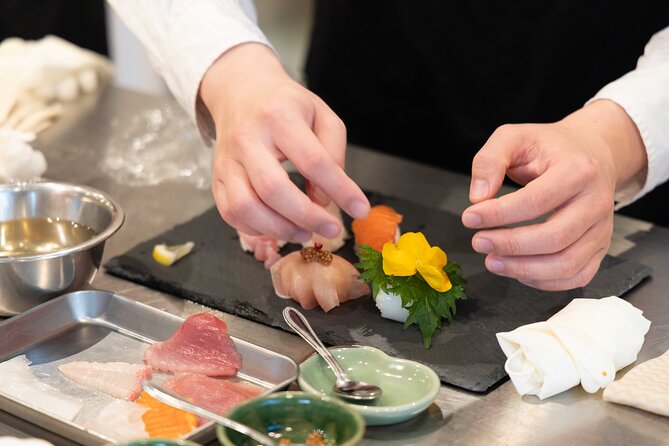
Nigiri is the familiar hand-formed sushi with a topping placed over rice. It calls for a light touch. Press too hard and the rice becomes dense. Use too little pressure and the piece falls apart. Learning that balance is one of the most useful parts of a beginner class.
Temari sushi is round and decorative. Its shape makes it especially appealing for a family meal or a small party because it looks artistic without demanding the precision of restaurant-style nigiri. The class presents sushi as something you can make attractive with simple methods, not as a craft reserved for professionals.
Temaki is hand-rolled cone sushi. It is more relaxed and social than nigiri, since you can fill and roll it at the table. I like that the three styles show you different ways to serve the same basic ingredients. You leave with options for a formal plate, a pretty appetizer, or an easy meal shared with friends.
One useful point from the practical feedback about this class is that participants can make three types of sushi without finding the process too difficult. That makes it a sensible pick for beginners, including families with children. Still, children will need to follow food-preparation instructions, and the listing does not give a minimum age. Ask the provider if your children are very young.
Dashi tasting explains the quiet flavor behind the meal
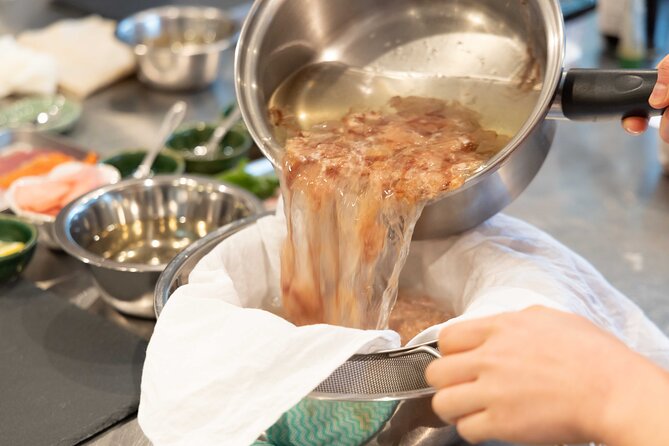
The class also covers dashi, the stock that supports many Japanese dishes. You learn how to make it, taste it, and compare it. This is a valuable addition because dashi can be easy to overlook when a meal is judged only by its visible ingredients.
The tasting and comparison help you notice how a basic broth changes the flavor of miso soup and other dishes. You also work with miso and traditional soy sauce, gaining a clearer sense of how Kyoto cooking uses savory, salty, and fermented flavors.
The class does not promise a long lecture on regional food history, and the schedule is too short for that. Instead, think of the dashi section as a useful sensory lesson. You taste the difference, then apply what you have learned to miso soup.
For someone who already cooks Japanese food regularly, this portion may feel introductory. For a first visit to Japan, it provides helpful food context without turning the experience into a formal lecture.
Tamagoyaki adds a separate cooking challenge
Tamagoyaki, the Japanese rolled omelet, gives the class another skill beyond sushi. Its layered appearance comes from cooking thin portions of egg and rolling them together. It looks straightforward, but getting a neat shape takes some control.
Including tamagoyaki broadens the meal. You learn that a Japanese food experience is not just about raw fish. Eggs, broth, miso, rice, sauces, and dessert all have a place at the table.
This is also a good family activity because it gives children or first-time cooks another task to try. The available information does not say who handles the cooking equipment or how much individual practice each person gets, so do not expect a private lesson at your own burner. The class is shared, with a maximum of 10 participants.
Same place, a very different sort of evening:
- Oia: Couple photoshoot with 30 edited Photos
★ 4.9 · 388 reviews - Maui Family and Couple Beach Photo Session
★ 5.0 · 333 reviews - Santorini: Oia Private Couple Photoshoot with 35 Photos
★ 5.0 · 316 reviews - From Westchester: NYC Private Helicopter Tour for Couples
★ 4.9 · 287 reviews
Dessert and coffee make the class feel like a meal
After the sushi and other preparations, you receive a handmade dessert typical of Kyoto, along with coffee. This gives the class a pleasant finish and makes the price easier to judge as a complete food experience rather than a brief sushi lesson.
You can also take the dessert away. That is a small but useful detail if you are full after the meal or want to save something for later.
Alcohol is not included in the stated price. Sake and beer are available for an extra charge, and alcohol is served only to adults age 20 and older. If you want a drink with the meal, budget for it separately. The class does not need alcohol to work, so this is an option rather than a central part of the experience.
Why the small group and clean kitchen matter
The maximum group size is 10 people. That is not the same as a private class, but it is small enough to keep the activity personal. For a hands-on lesson, group size matters because you need room to shape sushi, follow instructions, and ask for help.
A clean kitchen is another important practical feature. Food preparation feels more comfortable when the workspace is tidy and well organized. It also helps families who may be more cautious about shared cooking spaces.
The setup is designed for conversation after the sushi is made. You eat together, and a Kyoto tourism expert shares seasonal sightseeing suggestions. Those recommendations can add value if you are planning your days as you go, though the available details do not identify the expert by name or give a full sightseeing itinerary.
The social side works best for couples and families who want an activity with food at its center. If you prefer a quiet meal or a technical sushi apprenticeship, this may feel too casual and too short.
Location, timing, and the missing market-walk detail
The meeting point is on the third floor at 284 Ogisakayacho, Shimogyo Ward, Kyoto 600-8095. The activity ends back at the same place. It is near public transportation, which helps when you are fitting the class between other Kyoto plans.
Allow a little extra time to find the building and reach the third floor. The address is specific, but the supplied details do not name a nearby station, landmark, or street-level sign. I would save the address offline and arrive early, particularly if you have children with you.
The experience lasts about 1 hour and 30 minutes. That is convenient for a busy Kyoto schedule. You can place it between sightseeing stops without giving up half a day.
The title refers to sushi and a market tour, but the described activities focus on the cooking class. You should not book it expecting a long guided market visit. The fish is bought fresh that morning, yet no separate market walk or market stop is specified.
The class is commonly booked well ahead, with an average booking lead time of about 59 days. That does not guarantee that every date sells out, but it is a useful warning for anyone planning a fixed Kyoto itinerary. If your dates are firm, reserve early.
Vegetarian and dietary planning
Vegetarian menus are available, but you need to ask in advance. The same applies if you want a menu using different ingredients. Do not wait until you arrive, since the class depends on ingredients being prepared for the scheduled group.
The description does not specify other allergy procedures, gluten-free options, shellfish handling, or cross-contact policies. If you have a serious allergy, contact Sushi Gastronomy Lab before booking and explain exactly what you need.
For vegetarians, the class can still offer the main skills: vinegar rice, shaping sushi, tamagoyaki, dashi or a suitable alternative, miso soup, and seasoning. The exact menu may change, so confirm the ingredients rather than relying on a standard fish-free assumption.
Is $85.64 a fair price?
At $85.64 per person, this is not a cheap meal. The value comes from the combination of instruction, ingredients, a full tasting, dessert, coffee, and the chance to repeat the recipes at home.
I would compare it with the cost of a good sushi meal plus a separate cooking lesson. You are also paying for a small group, fresh fish purchased that morning, several styles of sushi, dashi work, miso soup, tamagoyaki, and a Kyoto-focused food setting. That makes the price reasonable for someone who wants an activity, not just lunch.
The value is weaker if you mainly want to eat premium sushi. A restaurant will usually give you more time to sit and a broader selection of fish. This class makes sense when you want to learn, handle the ingredients yourself, and take the idea home.
The take-home materials improve the deal. They give you a chance to repeat the process after your trip, which is more useful than a recipe you forget by the next morning. The available feedback specifically highlights being able to make three types of sushi and continue the activity at home.
Who will enjoy this Kyoto class most?
I would recommend it to couples who want a shared activity with a meal at the end. It also suits families, and a family with two children has used the class as part of a Japan trip. The mix of shaping, tasting, rolling, and eating keeps the experience moving.
It is a good fit for first-time sushi makers. You do not need to arrive with knife skills or advanced cooking experience. The focus is on accessible techniques that can make you the center of attention at a home party later.
Vegetarians should contact the provider before reserving. People with strict allergies should also ask detailed questions first.
I would be less enthusiastic for experienced sushi cooks seeking advanced fish-cutting instruction. The class is built around making several approachable dishes in 90 minutes, not professional knife work or a long technical seminar.
Booking, cancellation, and final advice
You receive confirmation at booking unless you reserve within three hours of the experience. In that case, confirmation arrives as soon as possible and depends on availability.
Free cancellation is available up to 24 hours before the start time for a full refund. Cancellations or changes made less than 24 hours before the start are not accepted for a refund, and the cut-off uses Kyoto local time.
I would book this class if you want a compact, hands-on introduction to Japanese food and like the idea of making sushi rather than only eating it. The strongest reasons are the fresh same-day fish, the three sushi styles, the clean kitchen, and the take-home materials.
I would skip it if you are searching for a full market tour, a long culinary workshop, or a premium sushi tasting. For families, couples, and curious first-time cooks, however, it offers a practical taste of Kyoto food culture in a manageable 90-minute format.
FAQ
Where does the sushi class take place?
It takes place on the third floor at 284 Ogisakayacho, Shimogyo Ward, Kyoto, 600-8095, Japan.
Where does the activity end?
The class ends back at the meeting point.
How long does the experience last?
The experience lasts approximately 1 hour and 30 minutes.
What sushi styles will I make?
You will learn to prepare nigiri, temari, and temaki sushi.
Is fresh fish used?
Yes. The fish is purchased from reliable vendors on the morning of the experience day.
Is a vegetarian menu available?
Yes. Vegetarian menus are available if you request one in advance.
What other dishes are included?
The class includes vinegar rice, dashi preparation and tasting, miso soup, tamagoyaki, dessert, and coffee.
Are drinks included?
Dessert and coffee are provided. Sake and beer are available for an extra charge.
Can children join the class?
The experience is described as suitable for families, and a family with two children has taken part. The supplied information does not state a minimum age, so ask the provider about your children before booking.
How many people can join?
The activity accepts a maximum of 10 participants.
Can I cancel for a full refund?
Yes, if you cancel at least 24 hours before the experience start time. Cancellations made less than 24 hours in advance are not refundable.
Newest ideas for two around the world
- YOUR HONEYMOON IN TUSCANY: Private Chianti Wine Tasting Tour★ 5.0 · 3 reviews
- 2 Hour Floating Harmony Couples Course★ 5.0 · 3 reviews
- Venice: Elegant couple photos on your vacation★ 5.0 · 2 reviews
- Romantic tour for lovers, couples or friends★ 5.0 · 4 reviews
- Private Bali Romantic Couple Tour with Parasailing Adventure★ 4.5 · 5 reviews
- Sunrise Couple Photoshoot Tour★ 5.0 · 5 reviews
- Couple’s Private Hudson Valley Fall Foliage Helicopter Tour from Westchester★ 4.5 · 3 reviews
- KLOSTERS: Paragliding For 2 – Couples (Video &Photos Incl.)★ 5.0 · 4 reviews
Kyoto Honeymoon Experiences, compared.
Kyoto Kimono Rental mimosa |Kimono/Yukata Rental Couple Plan
Read the review →
Kyoto kiyomizu Temple : Maiko and Samurai Couple Photoshoot
Read the review →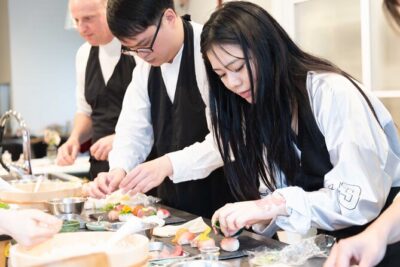
Enjoy Sushi & Market Tour! Best for Family & Couple!
Read the review →
Browse the lists this tour appears in