
Review · JAPAN HONEYMOON EXPERIENCES
Kyoto: Enjoy Sushi & Market Tour! Best for Family & Couple!
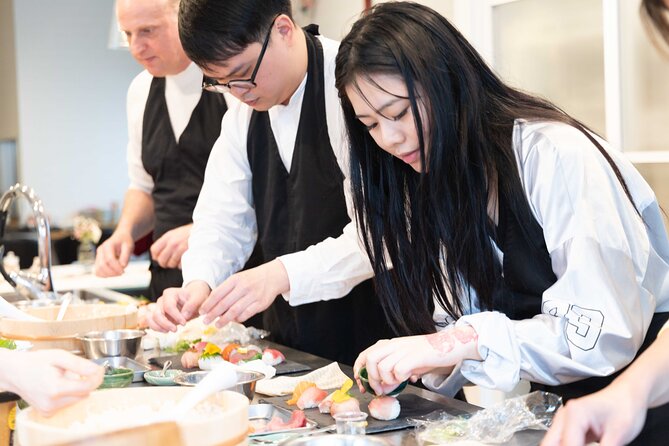
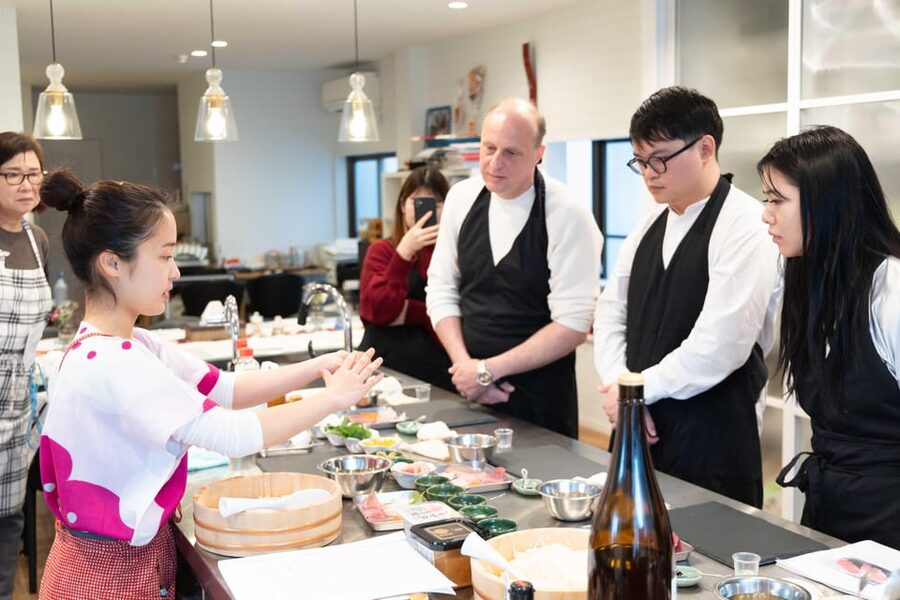
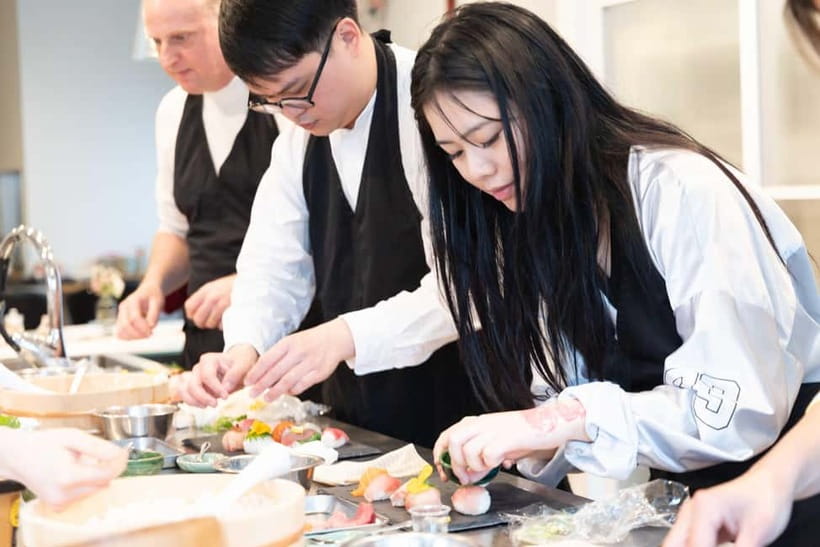
Kyoto’s food culture becomes much easier to understand when you make the meal yourself. This two-hour cooking class takes you to Nishiki Market to see fish cut by a skilled vendor, then brings you back to prepare three styles of sushi and miso soup.
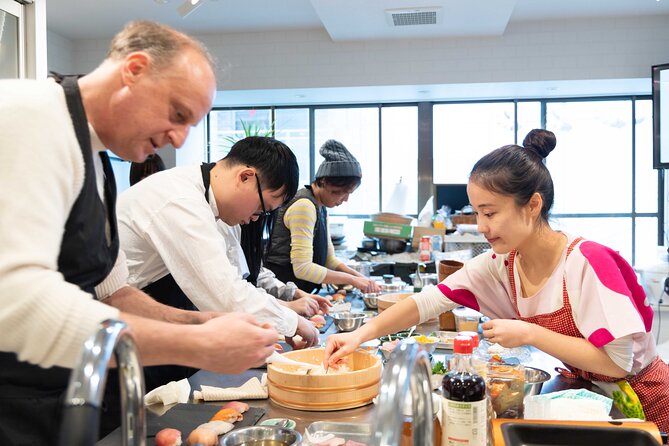
I like the small group of up to 10 people, which gives the guide room to help with shaping rice and rolling sushi. I also like the market visit, dessert, and practical seasonal sightseeing tips from a Kyoto tourism expert.
The main drawback is value. At $77 per person, this is not a cheap lunch, and one participant found the instruction less hands-on than expected. Your enjoyment will depend on how engaged the guide is on your date.
Key points at a glance
- See fish prepared at Nishiki Market: The market visit adds a working-food angle rather than keeping the class inside a kitchen.
- Make three kinds of sushi: You prepare nigiri, temari, and temaki, each with a different shape and technique.
- Learn dashi and miso soup: The class covers the base of the soup, including tasting and comparison.
- Finish with Kyoto-style treats: Dessert and coffee are included, with sake and beer available for an extra charge.
- Stay near major sights: The meeting point is about 10 minutes from Kyoto Station and five minutes from Shijo Station.
- Ask about seasonal plans: The tourism expert can suggest what to see in Kyoto during your visit.
From the salon meeting point to Nishiki Market
You meet in front of a building with a hair salon called Salon Roll on the first floor. The location is in central Kyoto, about 10 minutes from Kyoto Station and five minutes from Shijo Station, so it can fit neatly into a day around downtown.
This is also useful if you are planning to visit Gion or Kiyomizu-dera. You can schedule the class before or after sightseeing without crossing the whole city. Still, allow enough time to find the building. The meeting instructions identify the salon clearly, but the activity does not provide a full street address in the supplied details.
The class is taught in English or Japanese. It is wheelchair accessible, and smoking is not allowed indoors. The group limit of 10 matters here. Cooking instruction can become frustrating when everyone is crowded around one counter, so a small class should feel more manageable than a large demonstration.
The tour begins with an introduction to Japanese food culture. This is brief enough for a two-hour visit, but it gives the dishes some context. Sushi is not simply raw fish placed on rice. The rice, seasoning, knife work, shape, and balance between ingredients all matter.
More Food and Wine for Two in the world:
- Valle de Guadalupe Couples Wine Tour
★ 5.0 · 20 reviews - Bodrum Cooking Class with Local Couple
★ 5.0 · 6 reviews
Nishiki Market and the fish-cutting demonstration
The trip to Nishiki Market is one of the class’s most distinctive features. Instead of receiving anonymous ingredients in a kitchen, you first see where part of the meal connects with Kyoto’s food trade.
The highlight is watching fish being cut and prepared by a market vendor. One class included salmon preparation, and the fish purchased nearby became part of the meal. You should not expect a full market tour or a long explanation of every stall. The main purpose is to see professional preparation and select fresh fish before returning to cook.
Nishiki Market is a food market with plenty to look at, so the short visit may leave you wanting more time. That is not necessarily a flaw. This activity is a cooking class with a market stop, not a complete market walk. If you want to browse every pickle, sweet, seafood stall, and snack counter, plan a separate visit.
I like this part because it connects the cooking lesson to the place you are visiting. You see an ingredient handled by someone who works with it every day, then use fish from the same food district. That small link makes the meal feel less like a staged classroom lunch.
Building vinegar rice and three sushi styles
Back at the cooking space, you learn how to make vinegar rice. This is the foundation of the class. Rice that is too wet, too dry, too warm, or poorly seasoned can spoil the balance of sushi, so learning this step is more useful than simply assembling pre-cooked ingredients.
The class includes three forms:
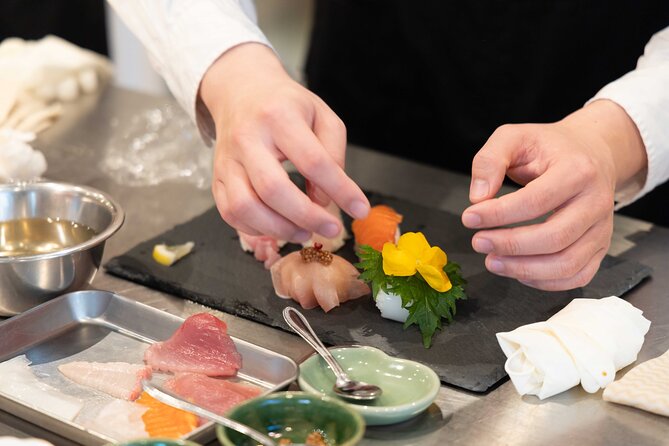
- Nigiri: rice shaped by hand with fish or another topping placed on top
- Temari: small, rounded sushi with a neat, decorative appearance
- Temaki: hand-rolled sushi shaped into a cone
The three formats give you different tasks. Nigiri asks for control and a light touch. Temari is more visual and can be a good choice if you enjoy making food look attractive. Temaki is less formal and usually feels more relaxed, since you build and eat it by hand.
The artistic side is part of the appeal. You are encouraged to use your creativity while staying within techniques you can repeat at home. That makes this more useful than a cooking show where you watch an expert create something impossible in an ordinary kitchen.
Still, expectations matter. This is a short class, not professional sushi training. You will learn basic methods and leave with a better sense of how sushi is assembled, but you should not expect advanced knife skills or a long lesson on fish aging and regional styles.
The group size should help, but the quality of the instruction can vary with the guide and the energy in the room. One participant felt the instructor did not interact enough and wanted more hands-on help. If you need close correction at every step, say so early and ask the instructor to check your technique.
Dashi, miso soup, and the taste of Japanese home cooking
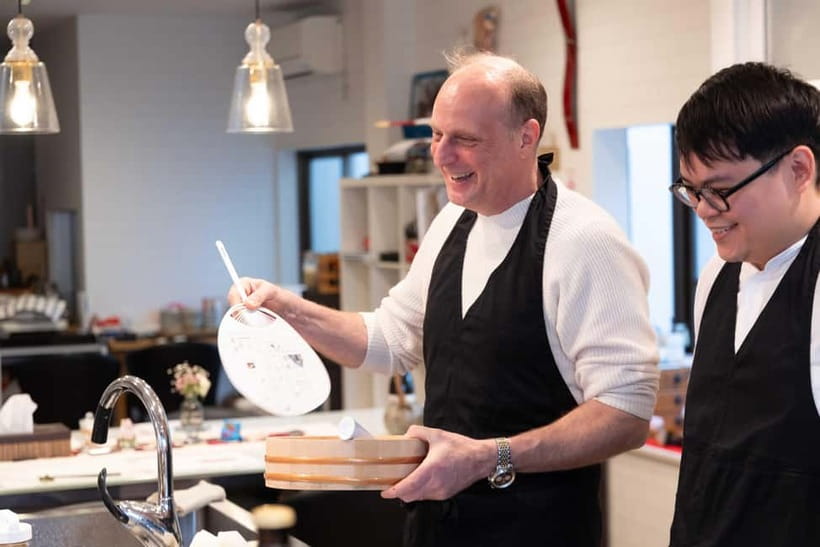
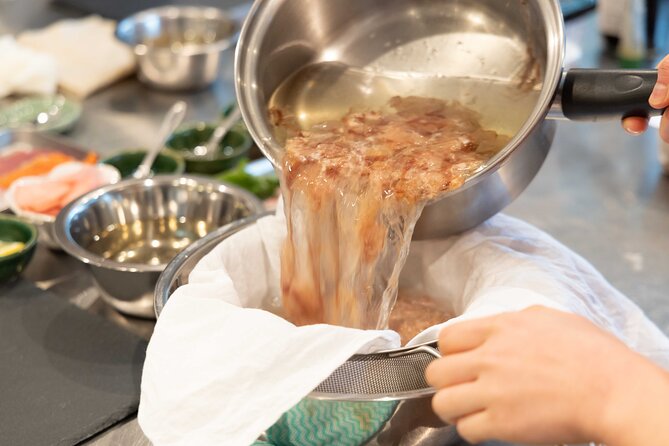
The soup lesson gives the class a useful second focus. You learn how to make dashi, taste and compare it, and use it in miso soup.
Dashi is important because it provides a savory base that appears in many Japanese dishes. Tasting and comparing it helps you notice what the stock contributes before the miso is added. That is a better lesson than simply stirring miso paste into hot water.
The soup also balances the sushi. You are not eating a plate of cold rice and fish alone. You make a warm dish with a different flavor and texture, which gives the meal more of a home-cooked feel.
For families, this part can be especially practical. Children who are not ready to shape perfect sushi may still enjoy tasting the broth, mixing ingredients, or helping with the soup. The supplied details do not specify a minimum age or a separate children’s menu, so parents should confirm suitability before booking for very young children.
The class also introduces Japanese food culture more broadly. That may mean you learn why particular ingredients are used or how the dishes fit into everyday eating, but the exact depth depends on the guide and group. Treat it as a friendly introduction rather than a formal cultural lecture.
Same place, a very different sort of evening:
- Oia: Couple photoshoot with 30 edited Photos
★ 4.9 · 388 reviews - Maui Family and Couple Beach Photo Session
★ 5.0 · 333 reviews - Santorini: Oia Private Couple Photoshoot with 35 Photos
★ 5.0 · 316 reviews - From Westchester: NYC Private Helicopter Tour for Couples
★ 4.9 · 287 reviews
Sitting down to eat what you made
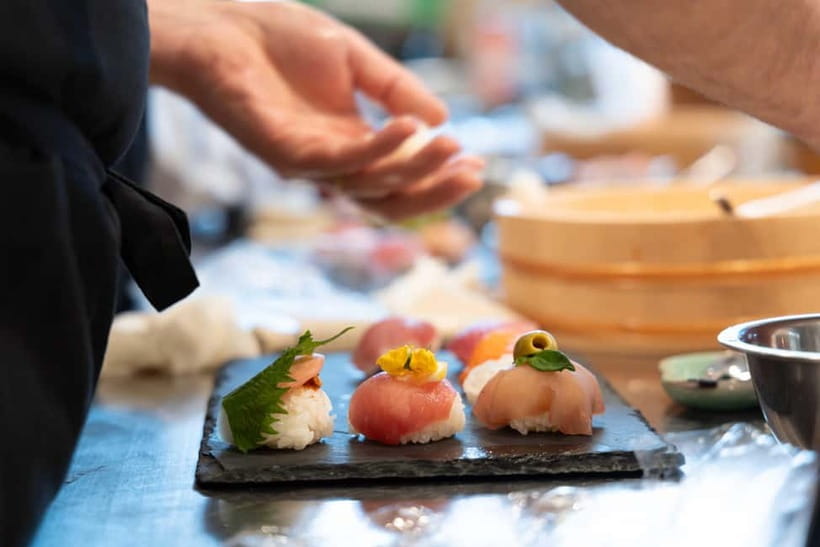
After the preparation, you eat the sushi and miso soup together. Dessert and coffee are included, giving the class a proper ending rather than sending you out as soon as the last roll is finished.
A homemade matcha dessert was served during one family visit, along with green tea and sake. The exact dessert may change, so do not book expecting that precise sweet. The supplied information confirms dessert and coffee, with the matcha item appearing as a memorable example rather than a guaranteed menu.
Sake and beer are available for an extra charge. This can make the class feel more like a relaxed meal for adults, but you should budget for those drinks separately. The $77 price covers the listed food experience, not every beverage.
The meal is also where the social side of the activity comes in. You can talk with the other participants and compare your sushi shapes. That is pleasant for couples and families who like a shared activity, though people seeking a quiet private meal may prefer a restaurant.
The food itself is the strongest value argument. You are not only paying for lunch. You are paying for instruction, market access, ingredients, a guided tasting, and a finished meal. Whether that feels worthwhile depends on how much you value the hands-on part. If you only want sushi, a restaurant will cost less and require no work. If you want to learn a repeatable skill, the price is easier to justify.
Seasonal Kyoto advice from a local expert
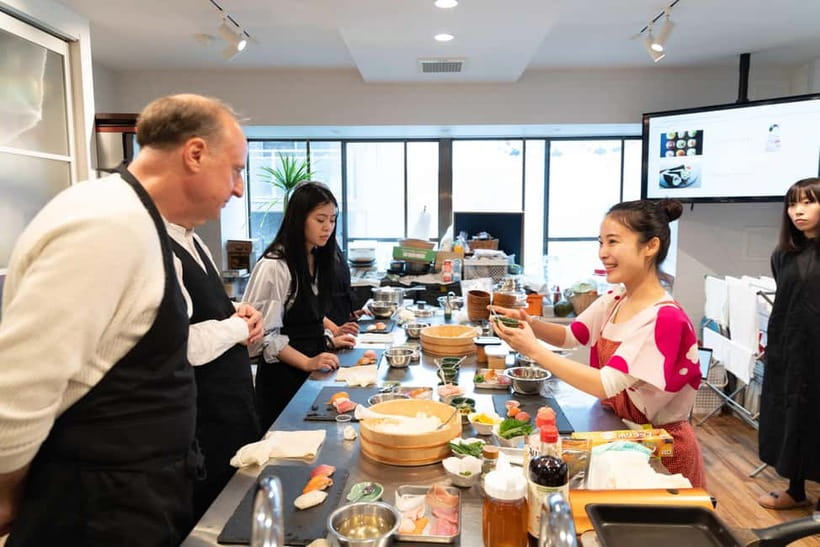
The class includes seasonal sightseeing information from a Kyoto tourism expert. This is a useful extra, especially if you are visiting during a short stay and still deciding how to use your time.
Ask specific questions. You might ask what is worth seeing during your dates, how to fit Gion and Kiyomizu-dera into the same day, or which sights are better in a particular season. The activity promises seasonal recommendations, but it does not name the expert or provide a set sightseeing itinerary.
This advice will be most valuable if you arrive with a rough plan. A guide can respond more usefully when you say which areas you have already seen and how much time you have left. Do not expect the class to replace a full Kyoto tour guide. Think of it as a short local planning conversation attached to the cooking lesson.
Who will enjoy this two-hour class most
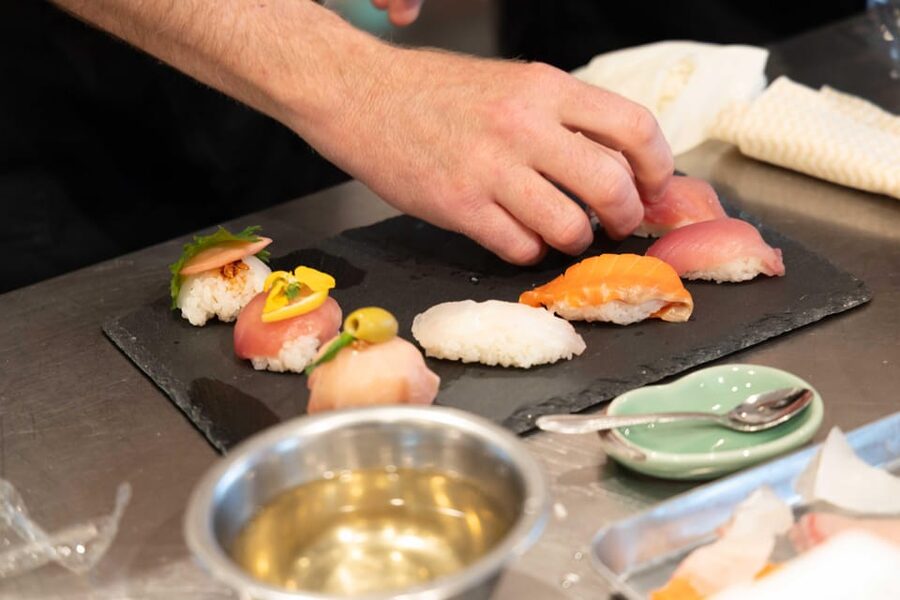
This is a strong match for families who want an activity with a clear beginning, middle, and end. The children can see a market, handle food, create colorful sushi, and eat the result. The short duration also avoids the strain of a full-day cooking program.
Couples may like the shared task. Making temari sushi together is more memorable than simply ordering another meal, and the optional sake or beer can add a relaxed finish.
It also suits first-time visitors who want a practical introduction to Japanese cuisine. You learn several dishes rather than focusing on one narrow technique, and the central location makes it easy to pair with other Kyoto plans.
You may want to skip it if you dislike group activities or already have strong sushi-making skills. The class is limited to 10, but it is still a shared lesson. You should also think carefully about the price if your main goal is simply to eat. One participant considered the cost high for the amount of hands-on instruction provided.
The instructor’s approach matters. Several details point to warm, helpful teaching, including careful support with technique and room to explore personal flavors. But the experience is not guaranteed to feel equally interactive for everyone. Ask questions, request help, and take part actively if you want the most from the two hours.
Timing, access, and booking details
The activity lasts two hours, with starting times available according to the date you choose. Its central location means it can work before or after nearby sightseeing, but you should not squeeze it between two fixed appointments. Market visits, cooking, eating, and conversation all need their allotted time.
The class is wheelchair accessible. English and Japanese instruction are available, and indoor smoking is not allowed.
You can cancel up to 24 hours before the activity for a full refund. You can also reserve now and pay later, which helps if your Kyoto schedule is still shifting. Confirm the starting time, meeting instructions, and any food concerns before booking, since the supplied details do not list allergy procedures or ingredient substitutions.
Is $77 per person a fair price?
At $77, this sits above the cost of an ordinary sushi meal. That comparison is fair, but incomplete. The fee includes the market visit, fish preparation demonstration, sushi and miso instruction, dashi tasting, miso soup, dessert, coffee, and local sightseeing advice.
I would call it good value for someone who wants participation rather than a meal alone. The chance to make nigiri, temari, and temaki gives you more variety than a basic roll-making class, while the market stop adds a connection to Kyoto’s food scene.
The price is harder to defend if the guide is not active with the group. The class depends on instruction, not just ingredients. If the lesson becomes mostly watch-and-copy, you are paying a lot for lunch with a short demonstration. The strongest reports describe guides who were kind, flexible, and attentive. The weaker experience shows why expectations should be realistic.
For a family, multiply the price by each participant and decide if the shared memory is worth more than a restaurant meal. For a couple, the cost can make sense as a compact cultural activity near the city center.
Should you book the Kyoto sushi and market class?
Book this class if you want to make your own food, see fish prepared at Nishiki Market, and finish with a meal you helped create. It is particularly well suited to families, couples, and first-time visitors who appreciate a short, active introduction to Japanese cuisine.
Think twice if you want advanced sushi training, a private class, or the lowest-cost lunch in Kyoto. The $77 fee is reasonable only when the teaching and hands-on time matter to you.
My practical advice is to choose this for the experience, not just the menu. Ask questions during the lesson, take advantage of the market connection, and use the seasonal sightseeing conversation to improve the rest of your Kyoto plans. If those pieces appeal to you, this is a smart two-hour break from temple viewing.
FAQ
How long does the Kyoto sushi and market activity last?
The activity lasts two hours.
Where is the meeting point?
Meet in front of a building with a hair salon called Salon Roll on the first floor. The location is about 10 minutes from Kyoto Station and five minutes from Shijo Station.
What types of sushi will I make?
You will learn to prepare nigiri, temari, and temaki sushi, as well as vinegar rice.
Is miso soup included?
Yes. The class includes instruction on making dashi, tasting and comparing it, and preparing miso soup.
Is the activity available in English?
Yes. The instructor languages are English and Japanese.
Is the class wheelchair accessible?
Yes. The activity is wheelchair accessible.
Newest ideas for two around the world
- Imerovigli: Aromatherapy Couples’ Massage★ 5.0 · 4 reviews
- Florence: Personal Vacation & Honeymoon Photographer★ 5.0 · 2 reviews
- Füssen & Schwangau: Private Photoshoot Couples, Solo & Group★ 5.0 · 3 reviews
- Greater Zion: Couples UTV Tour with Food★ 5.0 · 3 reviews
- Beijing: Hanfu Experience & Photo Shoot – Family & Couples★ 5.0 · 2 reviews
- Explore Gems of Utrecht Walking Tour for Couples★ 5.0 · 2 reviews
- Photo session for couples with flowers around Eiffel tower★ 5.0 · 3 reviews
- Alicante: Private Art Experience for Couples – Paint & Sip★ 5.0 · 2 reviews
Japan Honeymoon Experiences, compared.
Kyoto Kimono Rental mimosa |Kimono/Yukata Rental Couple Plan
Read the review →
Kyoto kiyomizu Temple : Maiko and Samurai Couple Photoshoot
Read the review →Browse the lists this tour appears in